Building Economic Independence for Women and Youth.
Darlings International is a certified grassroots NGO dedicated to breaking generational poverty cycles in Ghana. We provide completely free accredited vocational training, startup micro-capital, and agricultural cooperative assets to widows, single mothers, and vulnerable youth.
Statutory Registrations
Registrar General’s Department
No. CG 091372014 • Act 179
Department of Social Welfare
No. D.S.W / 1125
How We Spark Transformation
We move past temporal relief pipelines. We construct localized socioeconomic clusters that produce rapid self-reliance and lifelong security.
Technical Education
We operate active vocational centers giving intensive training across fashion design, textile tech, and cosmetology to young single parents and dropouts completely free of charge.
Widows Cooperatives
We assemble rural widows into highly functional processing guilds, providing mechanized palm-oil presses and gari processors to add serious market value to their farm outputs.
Interest-Free Capital
By short-circuiting predatory micro-lenders, our internal seed system provides direct microfinance capital to help beneficiaries establish permanent market enterprises.
Widows Supported
Protected and actively pooled within 16 regional operational clubs.
Certified Graduates
Equipped with custom startup equipment upon completion of course cycles.
Geographic Reach
Sustained operations inside Central, Eastern, Northern, and Greater Accra.
Year Established
Over 28 years of continuous, verified local community development execution.
Voices From Our Communities
"As a teenage mother drop-out in Swedru, I lacked options. Darlings Vocational Centre gave me free fashion design skills. Today I employ three girls."
Esi Ansah
Vocational Graduate, 2018
"The free captial from Somanya Widows Club enabled me to scale my cassava production pipeline. Our kids no longer sleep hungry."
Mary Kuma
Widows Club Leader
"Our youth used to walk over 5km down treacherous roads for primary school. Darlings build local infrastructure that changed our children's futures."
Nii Tetteh
Community Elder, Northern Sector
How We Assess Situations & Onboard Beneficiaries
We execute a structured four-stage evaluation methodology to ensure all interventions target genuinely vulnerable individuals with long-term, verifiable tools.
Community Referral
Local traditional leaders, assembly representatives, or field workers submit names of extreme vulnerability.
Socioeconomic Audit
Our field operations team conducts discrete home visits to audit living indices, dependency ratios, and income gaps.
Pathway Mapping
Beneficiaries are assigned to either the Technical Academy, Widows Cooperative processing guilds, or Capital pools.
Asset Deployment
Distribution of industrial machinery, seed funding, and post-launch structural mentorship support tracker access.
Frequently Asked Questions
Are the vocational training and toolsets truly 100% free?
Yes. Every single program, registration fee, exam syllabus, raw textile bundle, and startup machine is completely covered by internal assets and strategic diplomatic partner grants.
How do you track project financial integrity?
Darlings International accounts answer directly to an independent 7-member board of directors, maintaining full statutory transparent reporting lines audited annually in absolute sync with regulatory expectations.
Our Founding Mission & History
Official Institutional Profile Blueprint
Download the verified PDF containing audited financials, legal setup credentials, and regional field indices.
Established on June 22, 1998, Darlings International emerged to solve a critical issue: the economic exclusion and social isolation faced by rural women, teenage mothers, and vulnerable widows in Ghana.
What began as a tiny community safety net for widows facing archaic customary rites quickly scaled. To properly handle direct bilateral humanitarian missions and international development grants, the foundation formalized its structural core under the Companies Code of 1963 (Act 179) with state regulatory tracking index No. CG 091372014.
To function in seamless symmetry with sovereign social support actions, the organization secured full licensure from the Department of Social Welfare under national register index No. D.S.W / 1125. This rigorous dual-legal posture makes sure all project flows are auditable, clean, and perfectly aligned with institutional donor expectations.
Through close to three decades of on-the-ground work, our operational blueprint has successfully expanded across four distinct geographic zones: the Central Region, the Eastern Region, the Northern Region, and the Greater Accra Region.
Our Mission
The mission of the organization is to spearhead the campaign for the alleviation and total elimination of all barriers of ignorance, pain and handicapped among the vulnerable in society. It is also, committed to the full integration of these people especially the girlchild and women into the main functioning of the society.
Our Vision
A highly equitable nation where a woman's background, marital loss, or location never blocks her access to modern capital and vocational success.
What we operate
To addressing common socio-economic problems facing poverty prone rural communities, targeting mostly women and the girl child.
livelihood
Vocational Training for poor and vulnerable women especially teenage mothers. Micro Credit facilities for Women farmers especially widows
Education
Promote basic education in deprived communities through school infrastructure and other supplies Support to Orphaned and Vulnerable Children
Women empowerment
Civic engagement of women in their roles in community development and widow support programme. We assemble rural widows into highly functional processing guilds, providing mechanized palm-oil presses and gari processors to add serious market value to their farm outputs.
Public Health
Sexual Reproductive Health, HIV and AIDS prevention activities in Schools, churches, Mosques and communities.
Housing
A Complete caring home that provide a serene and peaceful environment for your mother(The aged) Mission Provide total edlerly care that seek the welfare of elderly women in the society providing them quality elderly care to recondition their mind to minds to enjoy old age. Vision We aspire to attain perfection in professional edlerly care (Darlings) to delight all resident at all times.
Micro Support
By short-circuiting predatory micro-lenders, our internal seed system provides direct microfinance capital to help beneficiaries establish permanent market enterprises.
The Assessment Protocol For Regional Expansions
Before rolling out new processing machinery grids or opening localized chapters, our executive board implements strict field metrics:
1. Baseline Need Threshold: Direct identification of target zones where widow dependency cycles exceed local socio-economic baseline expectations.
2. Traditional Leadership Alignment: Dialogues with local chiefs to protect female property ownership rights.
3. Infrastructure Verification: Checking local accessibility matrix grids to move processed goods straight to active market centers.
Our Fields of Action
Vocational Training & Trade Certifications
We operate free accredited technical development courses covering advanced fashion design, garment engineering, and cosmetology for teenage mothers and school dropouts. First major project established in 1998. The centre was created to provide free entrepreneurial skills training for female school drops outs and teenage mothers to acquire skills to improve on their standards of living. Since its establishment, the centre has trained about 450 women who are currently engaged in meaningful enterprises in Accra, Tema, Kasoa, Swedru, etc. Institutions such as the French Embassy, Australian High Commission have played significant role in the development of the centre through infrastructural and logistical support.
Dynamic Program Customization Blueprint
We customize our resource allocations based on a strict operational framework tailored to each candidate:
Operational Implementation FAQs
How long do the vocational incubation pathways last?
Standard certification pipelines are run across intensive 6-to-12 month intervals, directly matching continuous skills lab work with real-world business training loops.
Services Frameworks
Darlings Vocational Training Centre (Est. 1998)
Our primary flagship asset provides **completely free tuition, tools, and technical instruction** to young teenage mothers and vulnerable female school dropouts. This intensive commercial enterprise training equips students with highly marketable trade skills.
Infrastructural Footprint & Diplomatic Support
Over 450 certified graduates have transitioned through this portal, establishing self-sustaining businesses across Accra, Tema, Kasoa, and Swedru. Key physical expansion and equipment procurement has been supported by the French Embassy and the Australian High Commission.
The Widows Clubs & Micro-Finance Desk
Darlings International currently has sixteen (17) Widows groups consisting of 4000 women in the Eastern, Central and North East Regions. These clubs are located in Somanya, Sra, Adelakope, Adukrom Awukugua, Abonse, Dawu, Apirade, Abiriw, Aseseeso, Bindi, Kambatiak, Najong 1, Najong 2, Yunyoo, Kufouk, Jimbale. All these groups have benefited from interest free micro support scheme and annual distribution of relief items for them to improve on their livelihood.
Capital Circulation Scaling Metrics
Organizes and supports 16 distinct community Widows Clubs, providing collective support to over 4,000 active members across the Eastern, Central, and Northern Regions. Members gain access to interest-free micro-loans, collective agricultural tools, and direct supply-chain integration.
Education Support
The organization currently operates two basic schools in the Central and Northern Regions. These schools were established to provide access to basic education to the poor rural communities where pupils have to journey for about 5km before accessing basic education. Currently, the schools are government assisted providing quality education to 1000s of children who could have been drop outs to increase the illiteracy rate of Ghana.
Operating schools
Currently, the schools are government assisted providing quality education to 1000s of children who could have been drop outs to increase the illiteracy rate of Ghana.
Public Health Sensitization Desk
Sexual Reproductive Health and HIV project has been integrated into the various programmes of the organization. The aim of the project is to reduce new infections of HIV and AIDS in all the programme areas of the organization. Sensitization activities are carried out in communities, schools, churches, mosques, etc. The major project implemented in the Agona East district is funded by the Ghana AIDS Commission through the Presbyterian Relief Services and Development.
Capital Circulation of public health sensitization programmes
the major project implemented in the Agona East district is funded by the Ghana AIDS Commission through the Presbyterian Relief Services and Development.
Support
There are so many ways in which you can help us to bring positive and lasting change in the lives of the many people we serve especially the deprived, marginalized and less privileged in society. You and or your organization can become a partner by identifying with any of our intervention areas.
Capital Circulation of support systems
in which you can help us to bring positive and lasting change in the lives of the many people we serve especially the deprived, marginalized and less privileged in society. You and or your organization can become a partner by identifying with any of our intervention areas.
Our Board & Executive Officers
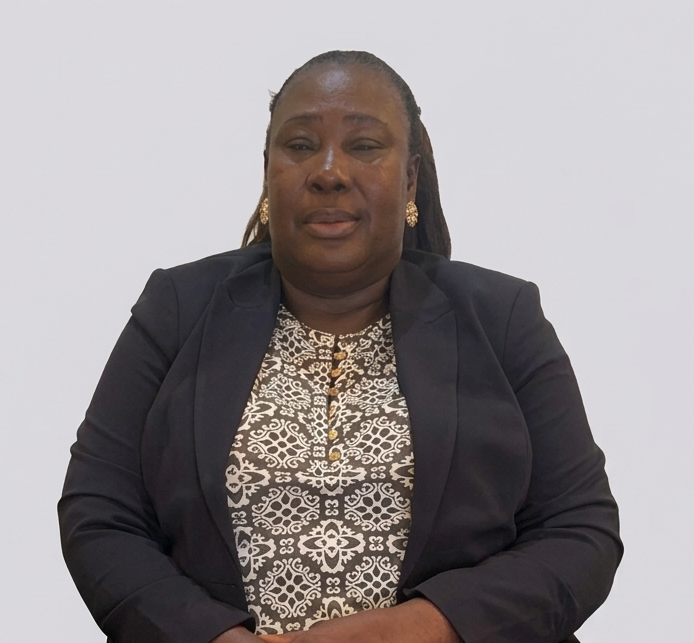
Mrs. Comfort Abanquah
Founder & Executive Director
Executive Management
Under the structural leadership of Mrs. Comfort Abanquah, Darlings International has developed from a micro community project into a powerful multi-regional NGO platform.
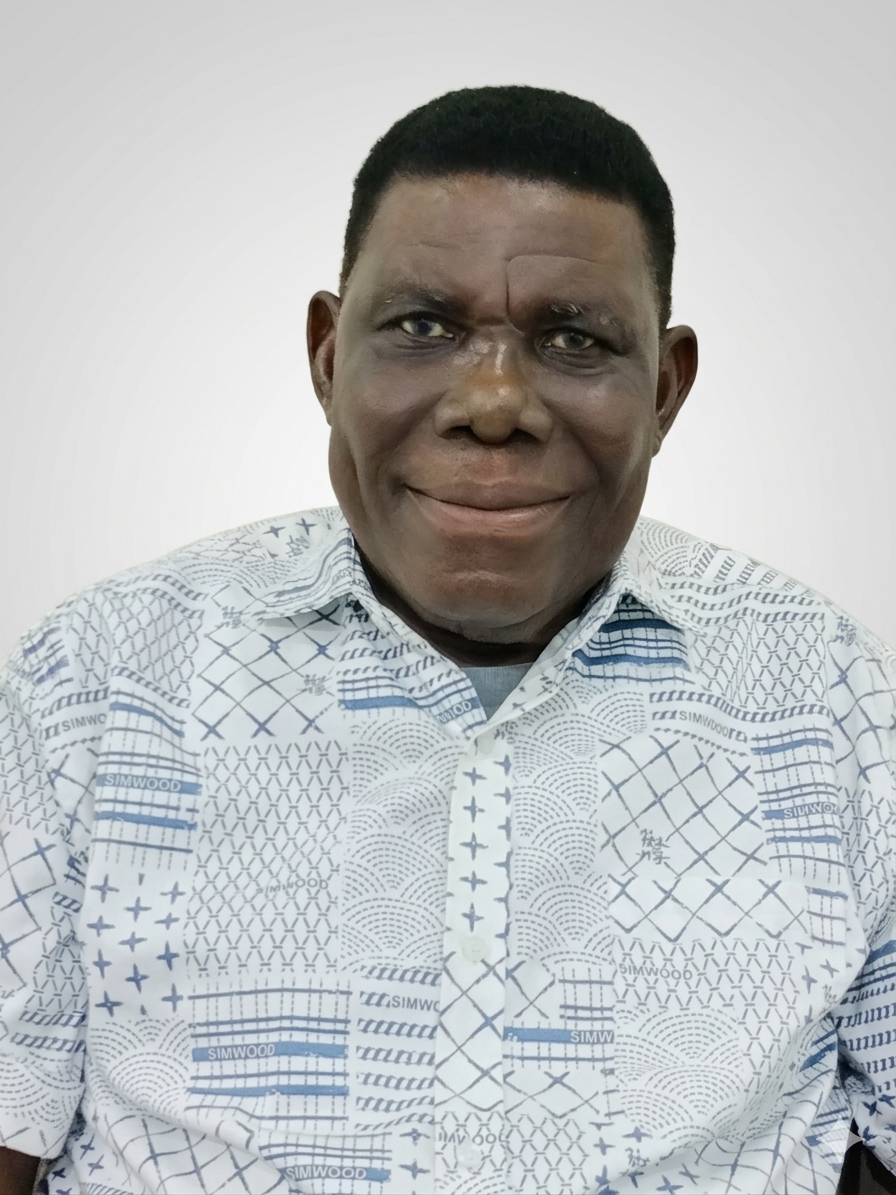
Mr. Sammy Abanquah
Founder & Executive Director
Executive Management
Under the structural leadership of Mr. Sammy Abanquah, Darlings International has developed from a micro community project into a powerful multi-regional NGO platform.
Operational Desk Directors

Name
Position
Name
Position
Name
Position
Services Frameworks
Darlings Vocational Training Centre (Est. 1998)
Our primary flagship asset providescompletely free tuition, tools, and technical instruction to young teenage mothers and vulnerable female school dropouts. This intensive commercial enterprise training equips students with highly marketable trade skills.
Infrastructural Footprint & Diplomatic Support
Over 450 certified graduates have transitioned through this portal, establishing self-sustaining businesses across Accra, Tema, Kasoa, and Swedru. Key physical expansion and equipment procurement has been supported by the French Embassy and the Australian High Commission.
The Widows Clubs & Micro-Finance Desk
Darlings International currently has sixteen (17) Widows groups consisting of 4000 women in the Eastern, Central and North East Regions. These clubs are located in Somanya, Sra, Adelakope, Adukrom Awukugua, Abonse, Dawu, Apirade, Abiriw, Aseseeso, Bindi, Kambatiak, Najong 1, Najong 2, Yunyoo, Kufouk, Jimbale. All these groups have benefited from interest free micro support scheme and annual distribution of relief items for them to improve on their livelihood.
Capital Circulation Scaling Metrics
Organizes and supports 16 distinct community Widows Clubs, providing collective support to over 4,000 active members across the Eastern, Central, and Northern Regions. Members gain access to interest-free micro-loans, collective agricultural tools, and direct supply-chain integration.
Education Support
The organization currently operates two basic schools in the Central and Northern Regions. These schools were established to provide access to basic education to the poor rural communities where pupils have to journey for about 5km before accessing basic education. Currently, the schools are government assisted providing quality education to 1000s of children who could have been drop outs to increase the illiteracy rate of Ghana.
Operating schools
Currently, the schools are government assisted providing quality education to 1000s of children who could have been drop outs to increase the illiteracy rate of Ghana.
Public Health Sensitization Desk
Sexual Reproductive Health and HIV project has been integrated into the various programmes of the organization. The aim of the project is to reduce new infections of HIV and AIDS in all the programme areas of the organization. Sensitization activities are carried out in communities, schools, churches, mosques, etc. The major project implemented in the Agona East district is funded by the Ghana AIDS Commission through the Presbyterian Relief Services and Development.
Capital Circulation of public health sensitization programmes
the major project implemented in the Agona East district is funded by the Ghana AIDS Commission through the Presbyterian Relief Services and Development.
Support
There are so many ways in which you can help us to bring positive and lasting change in the lives of the many people we serve especially the deprived, marginalized and less privileged in society. You and or your organization can become a partner by identifying with any of our intervention areas.
Capital Circulation of support systems
in which you can help us to bring positive and lasting change in the lives of the many people we serve especially the deprived, marginalized and less privileged in society. You and or your organization can become a partner by identifying with any of our intervention areas.
Visual Impact Footprint
Click on any visual log panel below to display the high-resolution field asset in an open popup frame view.
Insights, Policy Journals & Field Stories
Read our strategic analyses detailing operational metrics, vocational frameworks, and rural community expansion field logs.
Deconstructing Generational Vulnerability Models in Rural Ghana
An analysis of community skill tracking data reveals how structured technical training pathways insulate teen mothers from economic shocks.
Mechanized Cassava & Oil Processing Clusters: Scaling Livelihoods
Documenting output value acceleration margins across our Somanya and Swedru mechanized processing centers.
Interest-Free Seed Capital: Bypassing Predatory Interest Grids
How the Widows Clubs cooperative internal fund creates capital buffers for local market stalls.
Securing Customary Land Tenure Rights for Vulnerable Widows
Reviewing structural remediation workflows handled by our Legal Advising Desks to shield families from displacement.
Statutory Oversight Metrics in Grassroots Non-Profit Networks
A transparent look into the double audit systems linking our accounting files directly to state framework criteria.
Northern Savanna Sector Mapping: Field Feasibility Studies
Reviewing data patterns tracking shea butter processing machinery allocations across remote target outposts.
Department of Social Welfare Standards: Inter-Agency Synergy
How alignment under social ledger license No. D.S.W / 1125 helps scale local welfare networks.
Collaborative Missions: Co-Funding Toolsets and Capital
Analyzing how past partnerships with international embassies have accelerated hardware deployment timelines across Ghana.
Accredited Trade Frameworks inside Grassroots Classrooms
Maintaining rigorous academic metrics to ensure graduation certification cards hold high commercial value.
Longitudinal Evaluation: Tracking 450 Active Businesses
Reviewing data from field assessments measuring income security milestones over a 36-month tracking loop.
News & Bulletins
Humanitarian Direct Giving Capital
By routing resources directly through our audited institutional wallets and clearing bank accounts, your funds directly support our initiatives on the ground. Every donation provides critical equipment for our vocational training centers and fuels micro-capital for our Widows Clubs.
REGISTERED HOLDER
Sammy
Wallet Transfer Target
0244363191
REGISTERED HOLDER
Comfort
Wallet Transfer Target
0595690058
REGISTERED HOLDER
Comfort
Wallet Transfer Target
0277564112
BANK INSTITUTION
Agricultural Development Bank (adb)
BENEFICIARY ACCOUNT TITLE
Darlings International
DESIGNATION GUIDELINES
Validated for External International Donors
Audited Account Code
109100001034570
Contact Administration
Whether you are an international development agency reviewing compliance matching plans or an individual tracking your giving metrics, our administrative officers maintain responsive support links.
Our primary desk manages strategic resourcing logs, compliance auditing indexes, and project monitoring matrices from our administrative center in Accra, Greater Accra Region, Ghana.
Executive Contact
Mrs. Comfort Abanquah (Director)
Secure Email Intake
comfort.abanquah@yahoo.comAudio Lines
+233 24 436 3191 / +233 59 569 0058